Thrivent's first research framework
I set up the team's first structured framework for generative and evaluative research, mentored junior researchers and designers into it, and ran a usability benchmark every quarter for about two years.
The problem
When I joined, product managers were focused on short-term execution, designers were mostly asked for visual work, and there was no shared way of doing research.
What I did
- Wrote the team’s first structured framework for generative and evaluative research, and mentored junior researchers and designers into using it.
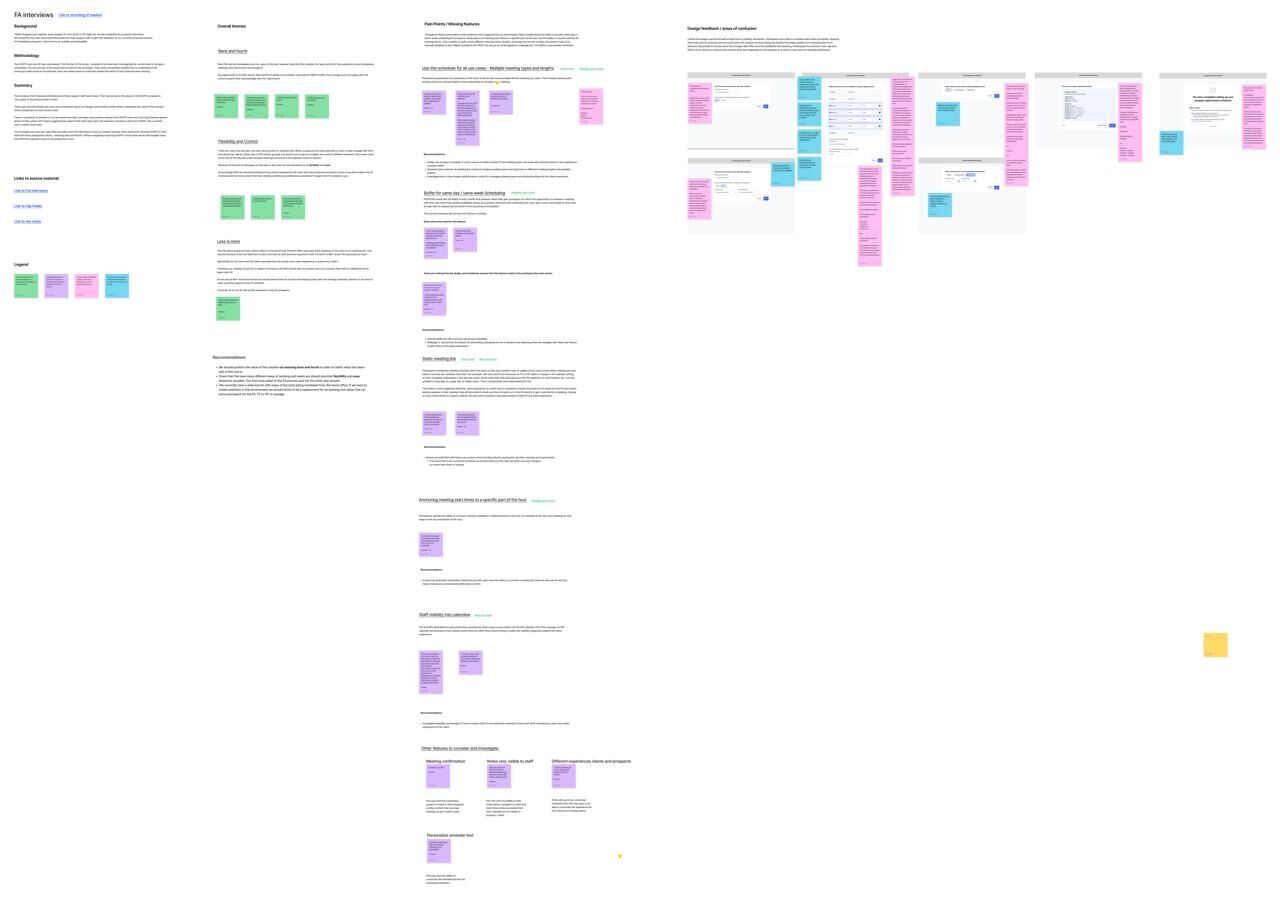
- Set up the Usability Team’s research plan template (problem, assumptions to test, participants and screener, tasks, a script with a consent statement, and a timeline) and one readout format for every study: background, key questions, participants and method first, then findings and recommendations. Prototype tests, tree tests and surveys all used it.
- Brought designers into interviews and test sessions, which reconnected them with the people they were designing for.
- Set up a longitudinal usability benchmark on the life insurance application: unmoderated tests in Maze and Optimal Workshop, re-run about every quarter for roughly two years, so the team could see whether task performance improved as the flows changed.
My role across the company
After Thrivent reorganized into product teams, most researchers stayed in one portfolio. I moved across three, brought in when a big project needed more confidence before the team committed to it.
Outcome
The team had a repeatable way to plan and run research (the PLE research program shows it in use), and a running measure of whether the application was getting easier to use.